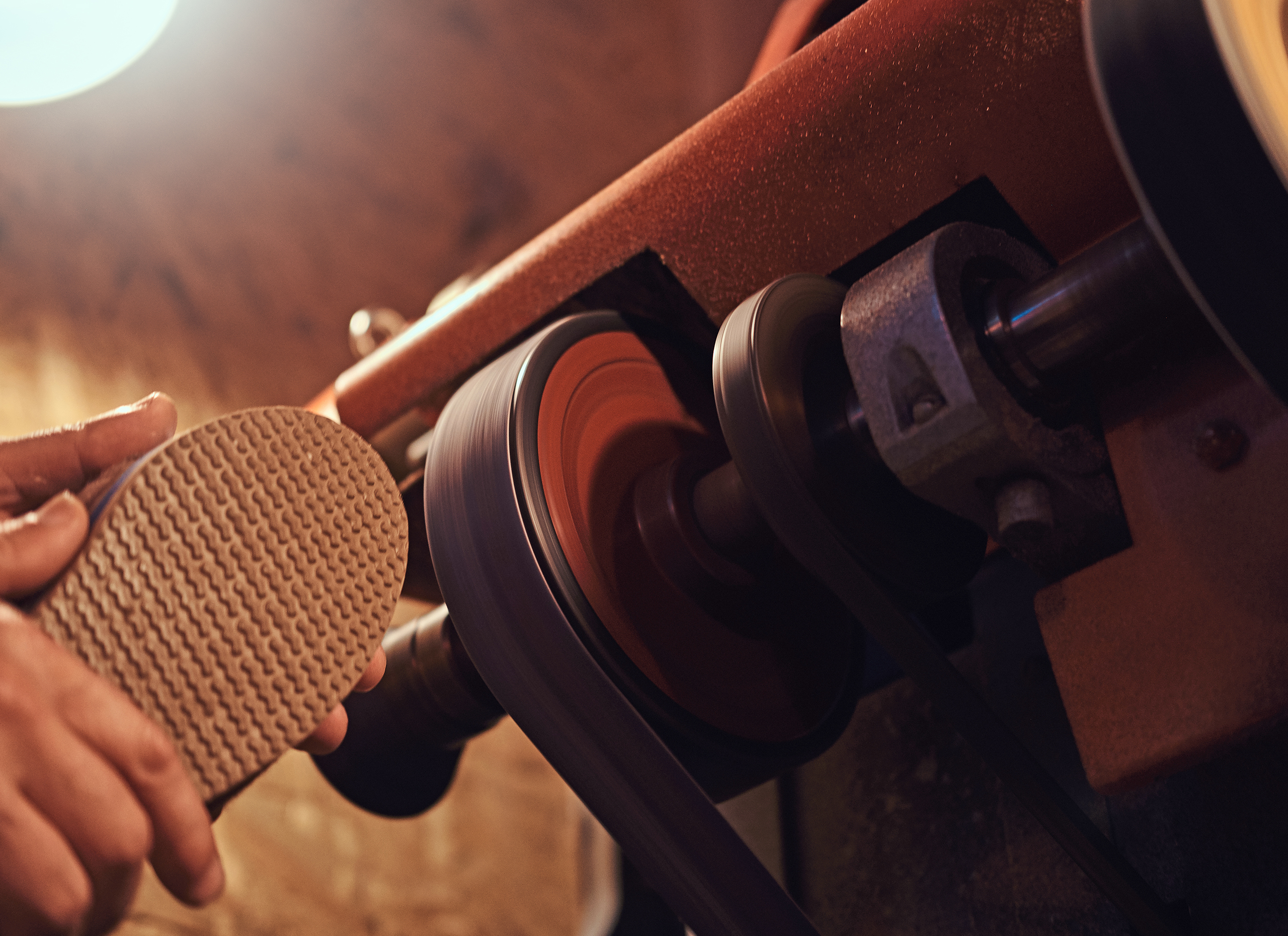
The Abrasive Industry in South Africa: Cutting Through the Surface
South Africa’s abrasive industry is a vital component of the manufacturing, mining, automotive, construction, and metal fabrication sectors. As a country rich in mineral resources and industrial activity, the demand for high-quality abrasives used for grinding, polishing, cutting, and surface finishing continues to grow steadily. The industry serves both domestic needs and export markets, driven by innovation, performance requirements, and local expertise.
A Diverse Range of Products
The abrasive industry in South Africa includes a wide variety of products:
- Bonded abrasives such as grinding wheels and mounted points
- Coated abrasives, including sandpaper, abrasive belts, and discs
- Super abrasives like diamond and cubic boron nitride (CBN) tools
- Loose abrasives, such as grit and powder, are used in blasting and polishing
These products are used in everything from sharpening tools and smoothing surfaces to precision cutting in high-tech manufacturing.
Key Sectors Driving Demand
South Africa’s abrasive market is largely fuelled by:
- Mining and metallurgy: One of the largest contributors to abrasive demand, given the country’s mining intensity and need for equipment maintenance.
- Automotive and industrial manufacturing: From bodywork sanding to component finishing, abrasives are essential for production and repairs.
- Construction and infrastructure: Concrete cutting, surface prepping, and tile polishing all require reliable abrasive solutions.
Local Manufacturing vs. Imports
While South Africa produces a wide range of abrasives locally, including niche and specialised products, there is still a significant reliance on imports—particularly for high-performance or super abrasive tools. Countries like China, Germany, and the United States are key suppliers. However, there has been a growing shift towards local manufacturing to reduce costs, improve turnaround times, and boost economic resilience.

Innovation and Sustainability
As global standards tighten and environmental regulations become more prominent, South African abrasive manufacturers are investing in cleaner production methods and recyclable materials. There is also increasing interest in custom-engineered abrasives designed for specific industrial applications—helping companies reduce waste, extend tool life, and improve efficiency.
Challenges and Opportunities
The abrasive industry faces several challenges, including:
- Rising raw material and energy costs
- Skilled labour shortages in manufacturing and engineering
- Competition from low-cost imports
Despite this, there are significant opportunities:
- Growing infrastructure projects and industrialisation in Southern Africa
- Export potential into the broader African market
- Technological upgrades and digital transformation in factories
The Road Ahead
With South Africa’s industrial backbone relying heavily on precision, performance, and productivity, the abrasive industry remains essential. By embracing innovation, investing in skills development, and promoting local manufacturing, the sector is well-positioned to remain competitive and resilient in the face of global pressures.